
What We Do
Tikva’s core mission is to rescue and care for Jewish children from Odesa and surrounding regions who have experienced severe neglect, abuse, abandonment, and life on the streets, providing a safe home, essential care, and a consistent, high-quality education from early childhood through to independent adulthood. Following the outbreak of war, Tikva evacuated and now cares for children, alumni families, and elderly individuals in Bucharest, running Europe’s largest displaced-persons camp, while continuing to support those who remained in Odesa and our alumni in Israel.
Identifying Children In Need
Our children come to Tikva as young as newborns and stay until they are at least 16 years of age, emotionally and academically ready to begin life in Israel, or continue their studies at Tikva’s University Programme in Odesa. These bright and inquisitive children flourish in our care, despite the fact that most arrive with medical, psychological, developmental and social difficulties due to their traumatic early experiences. Many of our children also have siblings and cousins who are reunited in our homes. Tikva strives to ensure that each child’s needs are met so that he or she can develop into a fully-functioning, self-sufficient adult who is then able to become a contributing member of society.
Tikva has worked tirelessly since 1994 to locate Jewish children in need from the southern regions of the former Soviet Union. Tikva reaches 25 regions throughout Ukraine, six regions in Belarus and 2 regions in Moldova.
Since the War
After 18 months of conflict, the war in Ukraine continues to devastate the lives of those who had to stay behind. Tikva has evolved and adapted. However, at our core, we remain true to our founding principle; caring for those most at risk.
Today we find ourselves supporting two communities in two countries: Those still in Odesa, Ukraine and those who we took to safety in Bucharest, Romania. Our teams continue to evacuate as many people as possible, as swiftly as possible, to safety in Romania.
Children’s Homes, Pre-War in Ukraine
Infants and toddlers 0-6 years
Girls 7-17 years
Boys 7-17 years
Boys and Girls 18-22 years
Tikva deals with three different types of orphans
These children do not have parents. They are usually found in state orphanages, separated from their brothers and sisters.
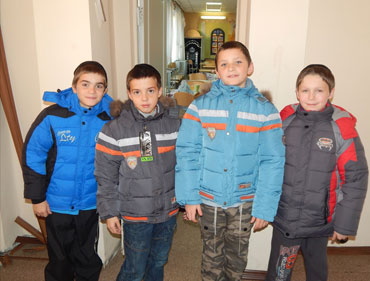
Orphans
These children do not have parents. They are usually found in state orphanages, separated from their brothers and sisters.
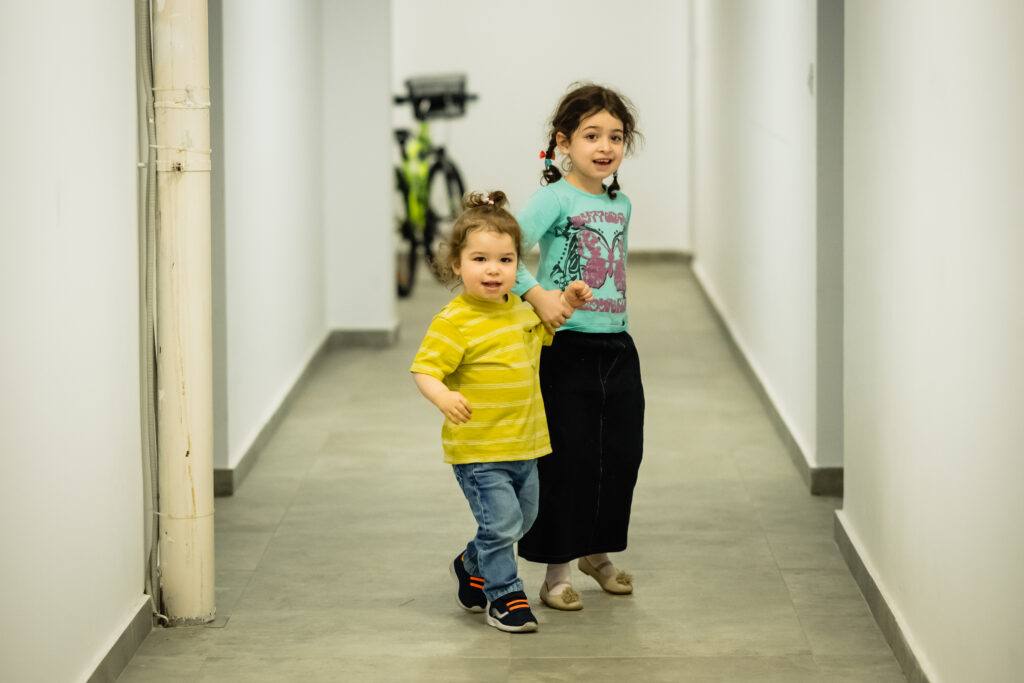
Social Orphans
These children may have parents and / or living adult relatives, but they are neglectful and abusive caretakers. The children often come to Tikva after running away from home or being abandoned by a caretaker. Tikva serves in effect as a permanent foster home for these children, assuming all custodial responsibilities. A western style or family based foster care system does not exist in the Ukraine.
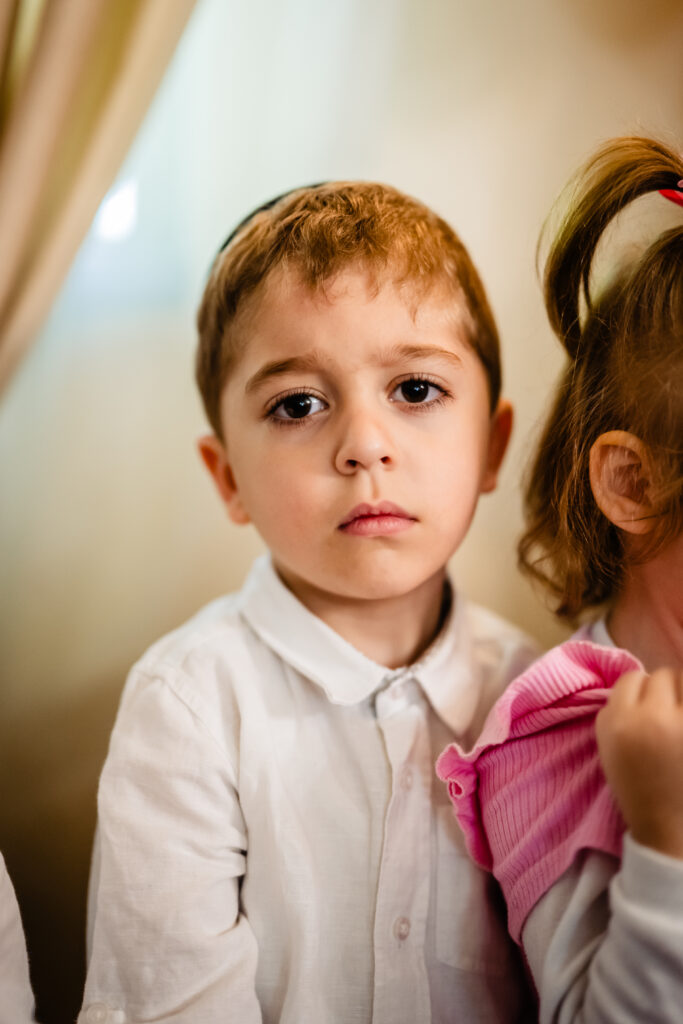
Extreme Poverty
These children have at least one parent or family member that would like to take care of the child, but simply cannot afford to give the child the basic necessities needed for survival. These children often stay in contact with their family even after arriving at Tikva, and continue to see them on weekends and holidays. Tikva employs a full time staff member who is in charge of locating orphans and other children in need. ‘Need’ is defined by the same definition the Ukrainian government uses for admittance into State orphanage.
Intake Process
After the child arrives at the home, a doctor and a psychologist evaluate the child and a nurse and caretaker help the child adjust to the home and school. After admission, most children stay in the home until they are at least 16 years old (end of the 10th grade).